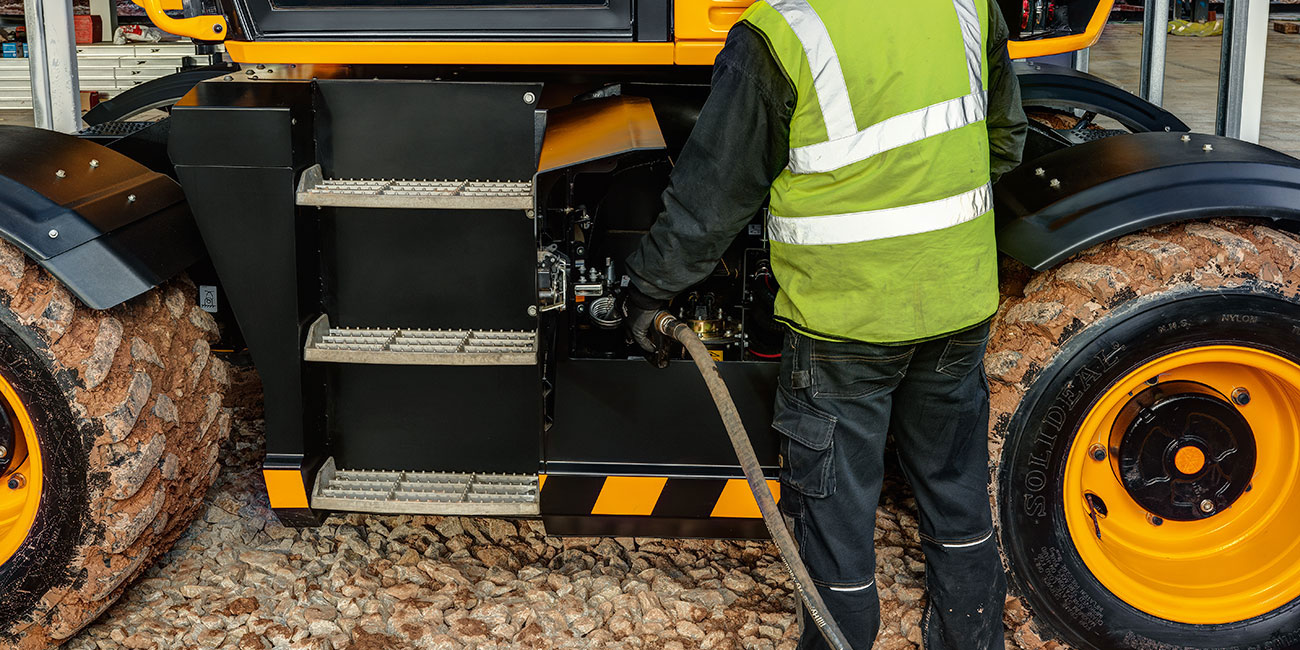

Replacing Red Diesel
On the 1st April 2022, rebated fuels such as Red diesel and biofuels, will no longer be able to be used as they are currently.
The majority of Red diesel users will need to use an alternative fuel with White diesel and HVO being suitable alternatives to consider. In addition, now may be the time to consider the use of Electric machines.
The information below may be useful in helping you decide which fuel type could work best for your machine, as well as, offering guidance on actions you can take to increase the efficiency of your machine to reduce overall fuel consumption.
We are, of course, on hand to help with any further questions you may have.
What is Red Diesel?
‘Red Diesel’ is the name given to gas oil that is used in non-road machinery. Red diesel gets its name from the red dye it is marked with to prevent its misuse in road vehicles.
Common uses for Red diesel include powering generators, plant machinery, commercial boats, off-road vehicles and commercial heating applications.
Red diesel is illegal for on-road vehicles because it’s not taxed. There are strict regulations in place about its use in on-road engines. Distributors and fuel retailers cannot knowingly supply on-road vehicles with this type of fuel.
When will the law change and why?
On the 1st April 2022, rebated fuels such as Red diesel and biofuels, will no longer be able to be used as they are currently.
This is due to the UK Government’s climate change and air quality targets to bring all greenhouse gas emissions to net zero by 2050.
The rebated fuels affected by these changes are:
- rebated diesel (Red diesel)
- rebated Hydrotreated Vegetable Oil (HVO)
- rebated biodiesel and bioblend
- kerosene taxed at the rebated diesel rate
- fuel substitutes
Red diesel accounts for around 15% of all the diesel used in the UK and is responsible for the production of nearly 14 million tonnes of carbon dioxide a year.
From the 1st April 2022, the majority of Red diesel users will be required to switch to a fully taxed fuel. The tax changes will ensure that most users of red diesel will use fuel taxed at the standard rate, like motorists, which more fairly reflects the harmful impact of the emissions they produce.
Removing most red diesel entitlements will also help to ensure that the tax system incentivises users of polluting fuels like diesel to improve the energy efficiency of their vehicles and machinery, invest in cleaner alternatives (such as HVO, Electric or Hydrogen), or just use less fuel.
How will this affect me?
Plant Machinery
You will almost certainly be affected by the upcoming changes.
From 1st April, all Red diesel users will need to use an alternative fuel type; except in the following circumstances:
- You will be able to use rebated fuel in vehicles and machines used within agriculture, horticulture, fish farming or forestry
- You can use rebated fuel in agricultural vehicles and unlicensed vehicles kept and used on land maintained by a Community amateur sports clubs, a golf course and a golf driving range
- You can use rebated fuel for generating electricity / heating premises being used for non-commercial purposes, such as domestic homes, places of worship, NHS hospitals, state schools and townhalls
If your machines operate in any other industry, you will need to change to an alternative fuel and ensure any fuel stores or bowsers are free from Red diesel before the 1st April 2022.
Generators
Depending on the sector the generator operates in will determine how the changes affect you.
If your generators operate for commercial purposes, you will need to change to an alternative fuel and ensure your on-site storage tanks are free from Red diesel before the 1st April 2022.
| Affected | Not Affected |
You will not be able to use rebated fuel for ANY commercial* purposes including:
* Commercial = any premises which are being used for the purpose of making a profit |
You can use rebated fuel for electricity generation that is not used for commercial purposes including those that use back-up generators to make sure they have a continuous electricity supply:
|
Please note, the information shown above is correct at the time of publication, however, it is a moving situation due to the continuing Government legislation changes. Links to the Government websites are below where the most up to date guidance can be found.
What are my options?
| Option | Pro’s | Con’s |
White DieselEffectively, Red diesel without the dye |
|
|
Hydrotreated Vegetable Oil (HVO)HVO is derived from vegetable or animal oils which have been reacted with hydrogen This doesn’t include Biodiesel – see note below… |
|
|
Electric machinesElectric machines are powered by Lithium-ion batteries as opposed to fossil fuels. |
|
|
A note about Biodiesel…
Biodiesel is also derived from vegetable or animal fats but undergoes a different treatment. It is typically blended with a fossil-fuel diesel. HVO is different to Biodiesel due to its chemical structure. It is not a ‘drop-in’ replacement fuel and may cause problems if mixed in the tank with Red diesel. As such, we haven’t included it within the fuel alternative options.
How can I help ensure I meet the legislation changes in April?
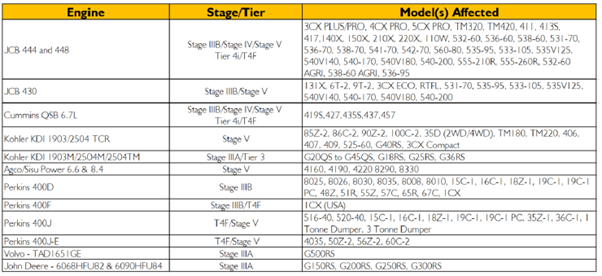
Decide which alternative fuel type will work best for your machine / fleetThis might not be an easy decision as the choice could affect how you purchase, store and utilise the fuel. If you are considering HVO or Electric machines, we can help. Whilst HVO is compatible with many engines, it may not be suitable for older engines. Regardless of age, it is important to confirm if HVO is compatible with your JCB. It is also important is ensure the quality of HVO used meets the specification EN15940. The following engines, used within JCB products, are compatible with HVO (EN15940): Read our guide to HVO here
|
Replace the Red diesel in your on-site bowsersThe new legislation states that Red diesel can be used within any machines as long as the Red diesel was in the tank before the 1st April. Any stored Red diesel, including that within a fuel bowser, must be used before the 1st April 2022. Dependent on your preferred fuel choice moving forward and the condition of the tank, there may not be a need to drain or flush the tank before refilling. For example, HVO and White Diesel are ‘drop-in’ fuels which can be mixed with Red diesel. If you are unsure of the condition of your tank, we can help with draining the tank and flushing the system. |
Is there anything else I can do?
Check the efficiency of your machine to reduce fuel consumptionIf your machine has JCB LiveLink installed, there are many ways you can use LiveLink to check or increase the efficiency of your machine – all the more important as the industry looks to reduce emissions, and as fuel prices increase. Reports and Stats you can view in LiveLink:
In addition, you can now set up alerts in LiveLink which will email or text you if a machines’ fuel levels suddenly start dropping indicating theft or damage. It’s easy to set up for your machines (with a full LiveLink tenancy) using these instructions.
|
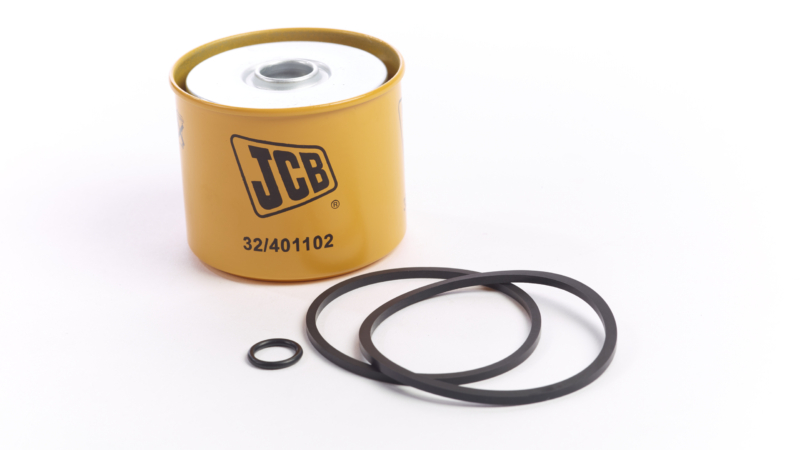
Use Genuine JCB FiltersJCB Filters are specifically designed to work in conjunction with JCB engines to provide the highest standards of cleanliness and performance. Using a non-genuine filter greatly reduces the protection from hydraulic, transmission and engine failure due to system contamination – this is even more so if using HVO instead of Diesel. HVO is not fully proven long term with regards to its’ affects on fuel tanks and systems and, as such, JCB has confirmed engine compatibility with HVO only if it conforms to EN15940 and where genuine JCB filters have been used.
|
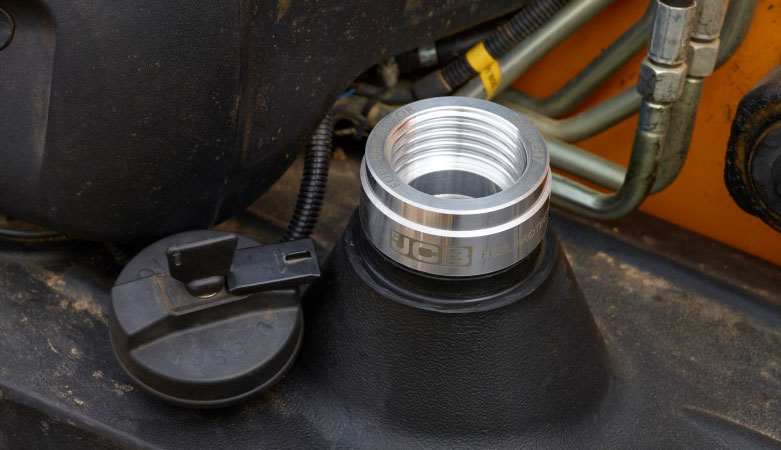
Consider Fuel Anti-Theft DevicesAs diesel becomes an even more valuable commodity, so does the risk increase for fuel theft. You can prevent fuel being syphoned out of your machines by fitting a JCB Fuel Anti-Theft Device. With the cost of fuel increasing, saving just one tank of fuel will cover the initial cost of this device. A fuel anti-theft device is a robust visual deterrent which is easy to install. It can fit a wide range of JCB and non-JCB machines meaning your whole fleet is covered.
|

Have a question…? We can help!